On the International Day in Support of Victims of Torture Special Seminar: The Death Penalty as an Extension of Policies of Torture and Retaliation
On the International Day in Support of Victims of Torture
Special Seminar: The Death Penalty as an Extension of Policies of Torture and Retaliation
A specialized seminar highlighted the grave dangers posed by the so-called “Palestinian Prisoners’ Execution Law,” considering it an extremely dangerous legislative development that undermines the right to life, erodes fundamental fair trial guarantees, and forms part of a broader context of torture, ill-treatment, and serious violations committed against Palestinian prisoners in Israeli prisons.
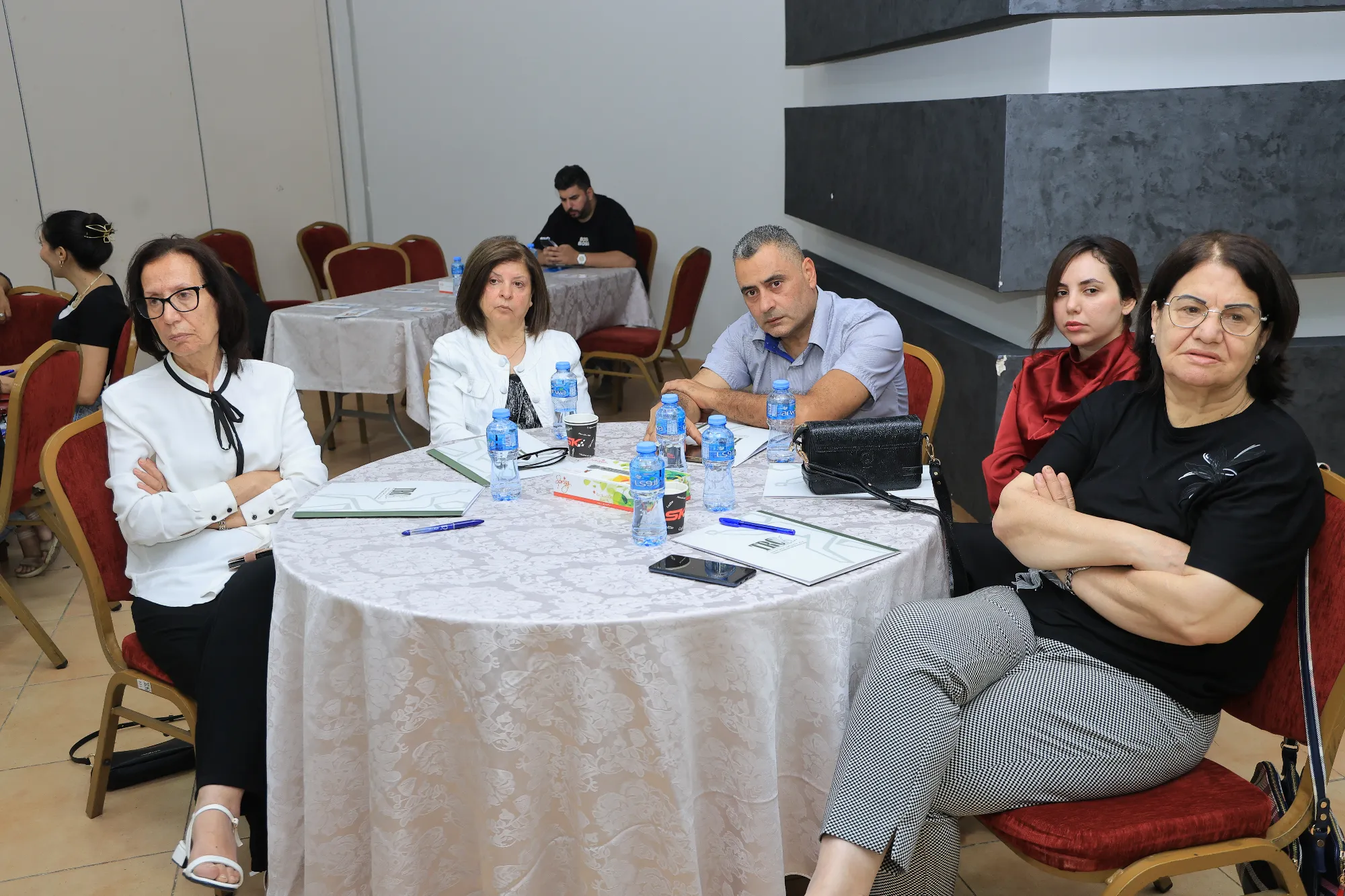
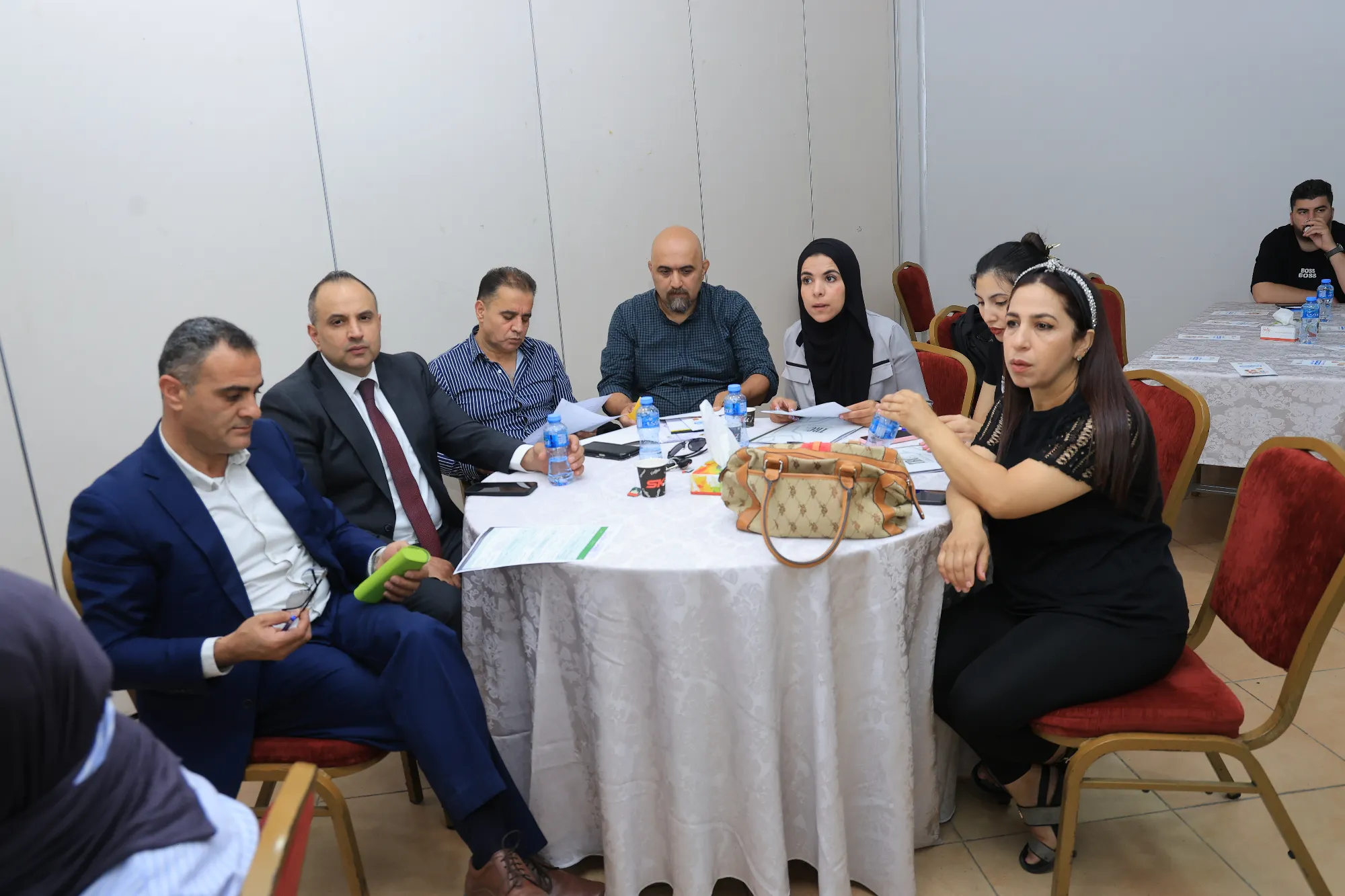
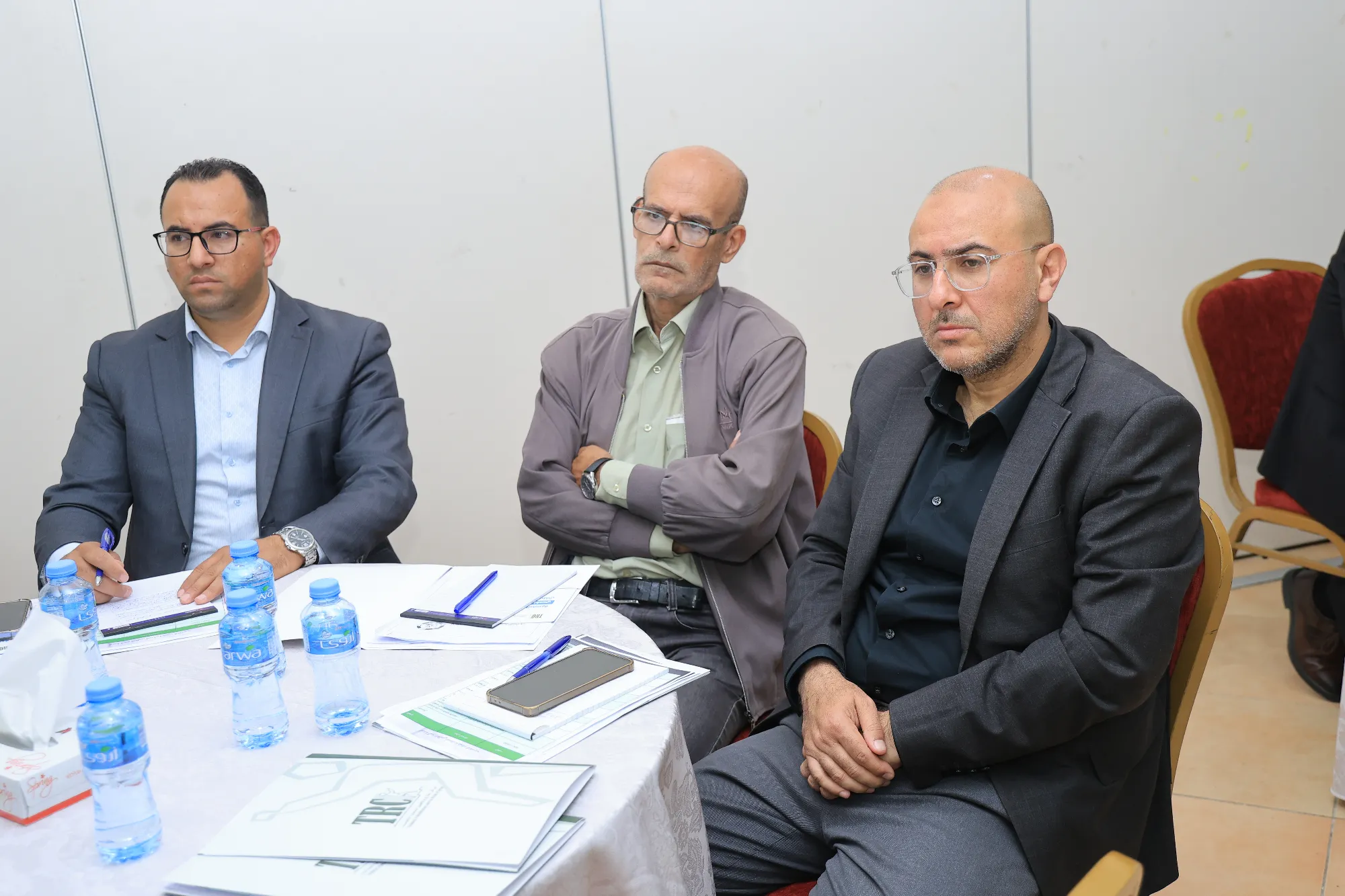
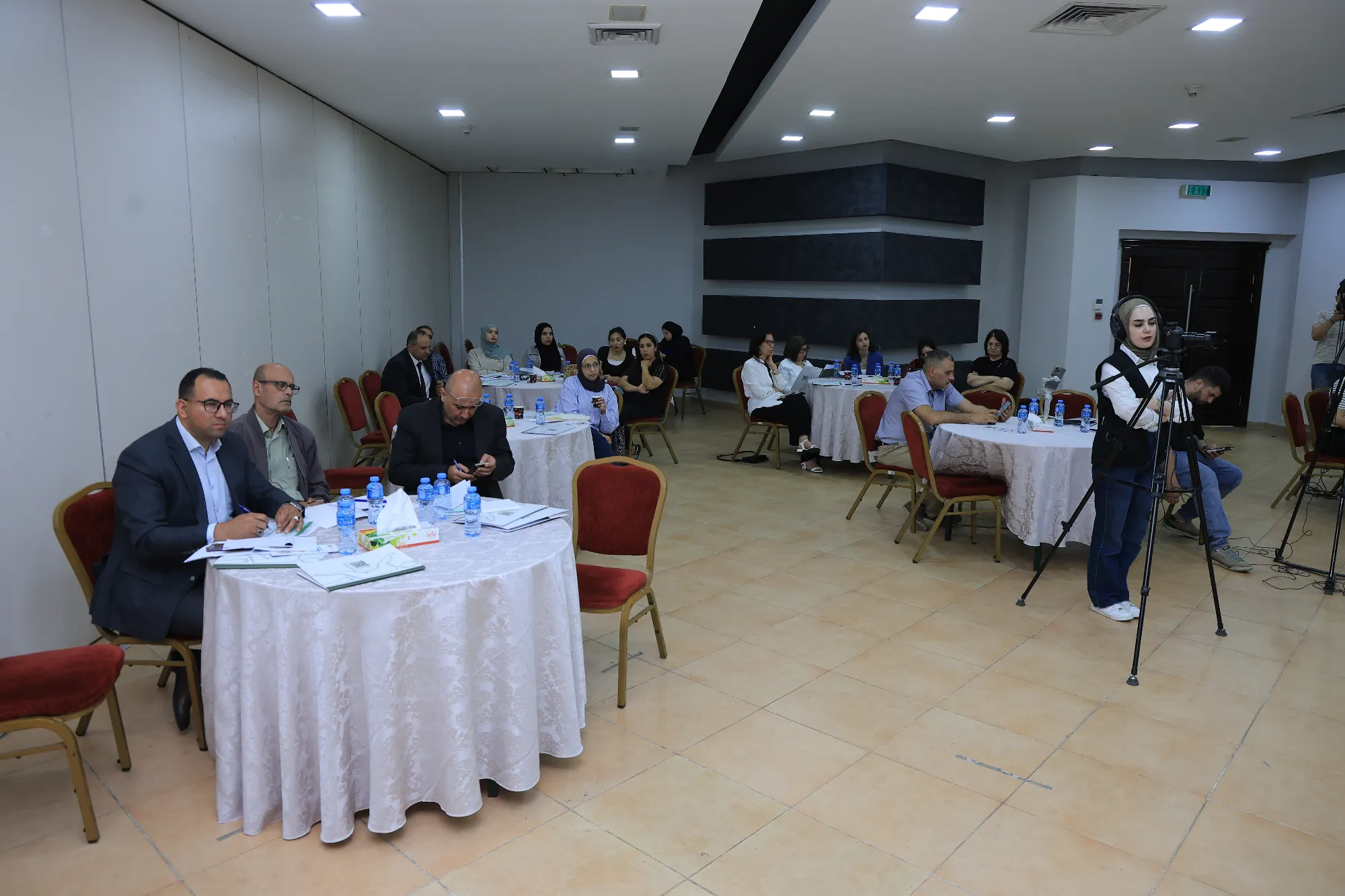
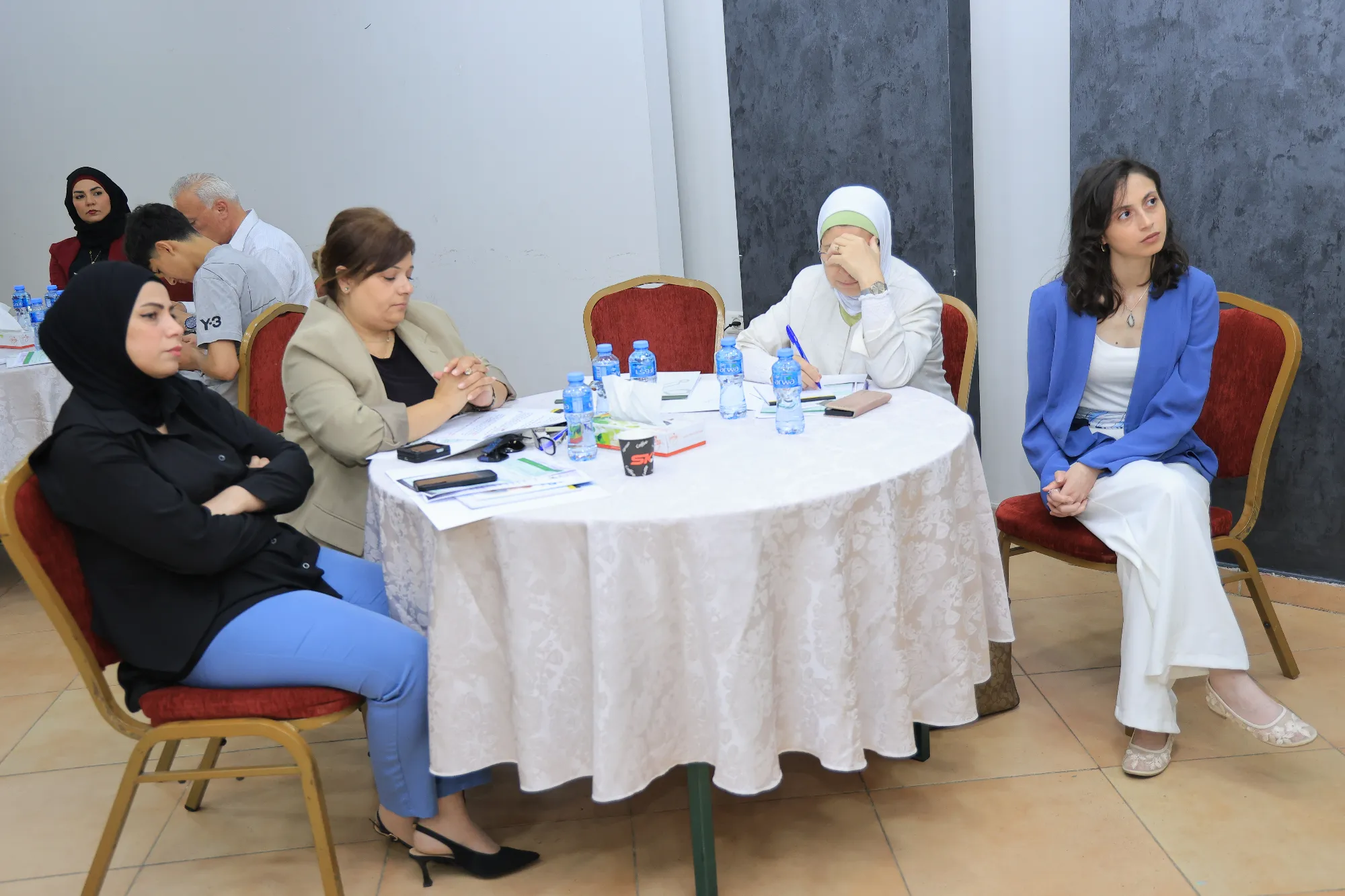
On the occasion of the International Day in Support of Victims of Torture, observed annually on 26 June, the Palestinian Coalition Against Torture, in cooperation with the Independent Commission for Human Rights (ICHR), the Commission of Detainees and Ex-Detainees Affairs, and the Palestinian Prisoners’ Club, organized this seminar to highlight the legal, human rights, and humanitarian implications of the law. The seminar also aimed to demonstrate its incompatibility with international human rights law and international humanitarian law, particularly the absolute prohibition of torture and other cruel, inhuman, or degrading treatment or punishment, the right to life, the principle of non-discrimination, and guarantees of justice and fair trial. Furthermore, it sought to strengthen national and international efforts to hold the occupying power accountable for its violations and to reject any attempt to legalize retaliatory punishments or transform the justice system into a tool of political repression and discrimination against the Palestinian people.
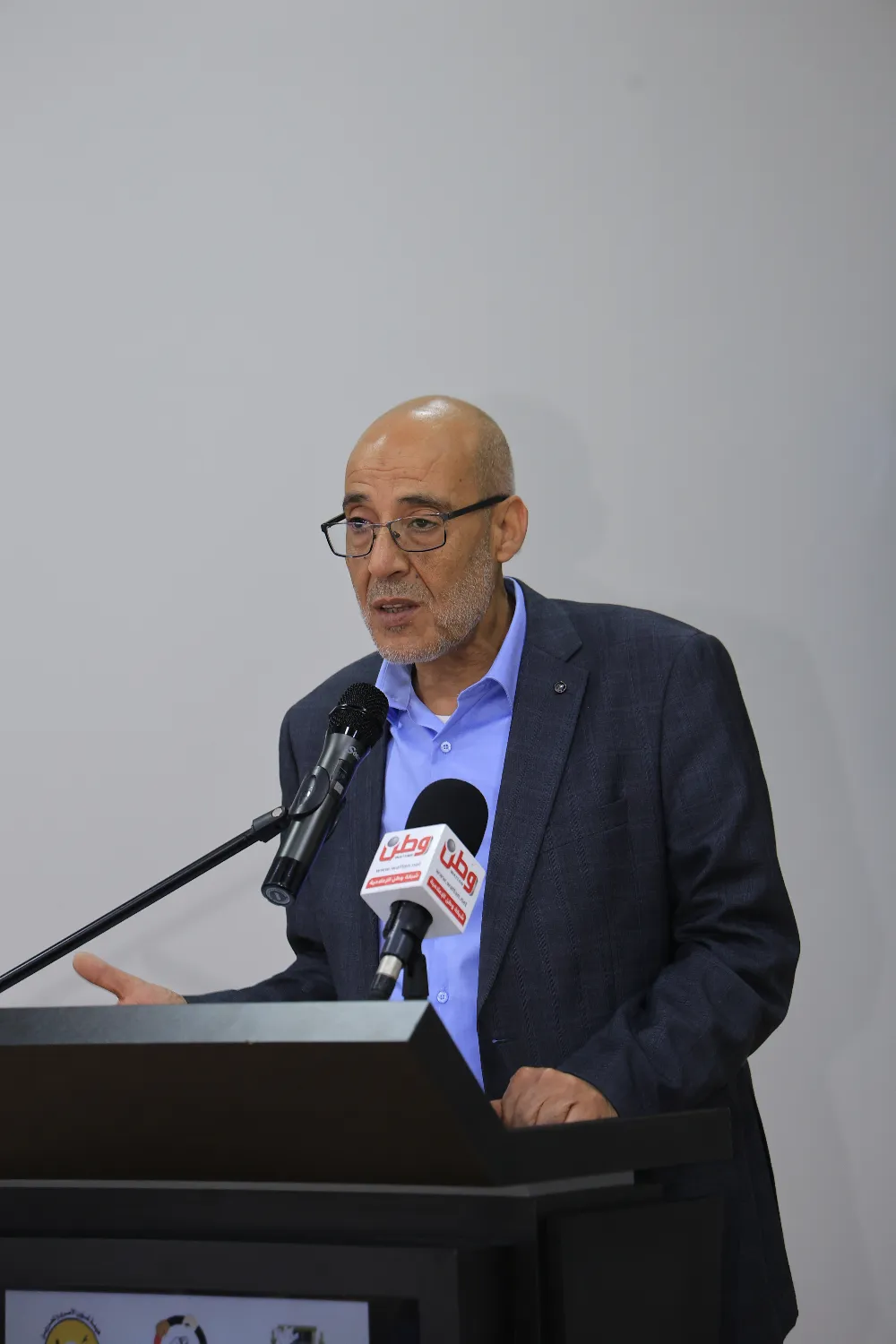
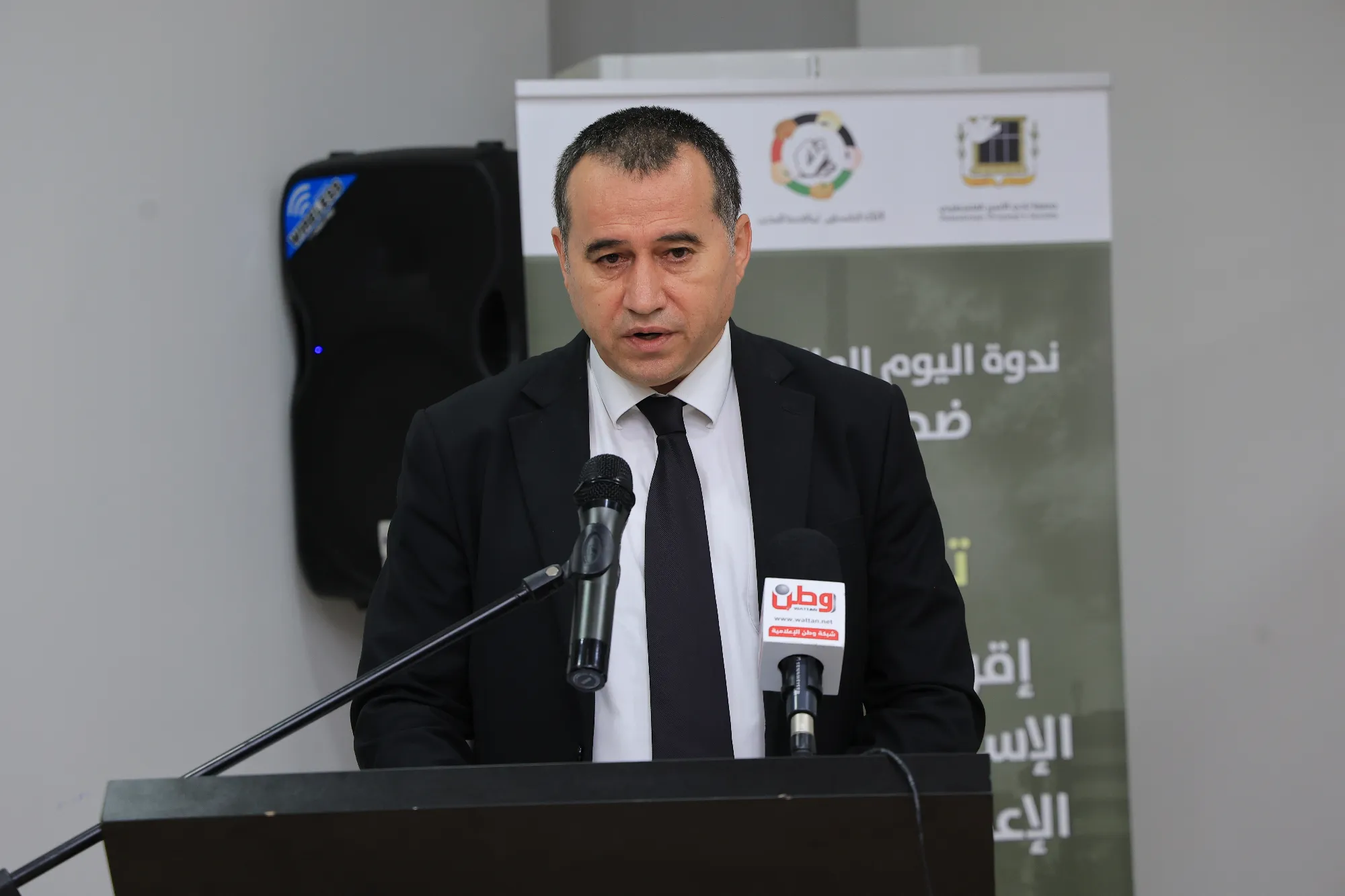
Dr. Khader Rsas, Director General of the Center for Treatment and Rehabilitation of Victims of Torture, emphasized the commitment of human rights organizations in both the West Bank and the Gaza Strip, as well as official institutions, to combating torture policies in Israeli prisons. He explained that the seminar was part of a joint campaign addressing the Knesset’s approval of the death penalty legislation. Although the law has not yet been fully implemented, legal experts consider its legislative approval a serious development that contradicts the most basic principles of human rights, particularly given that it was advanced by an extremist government accused of committing genocide against the Palestinian people.
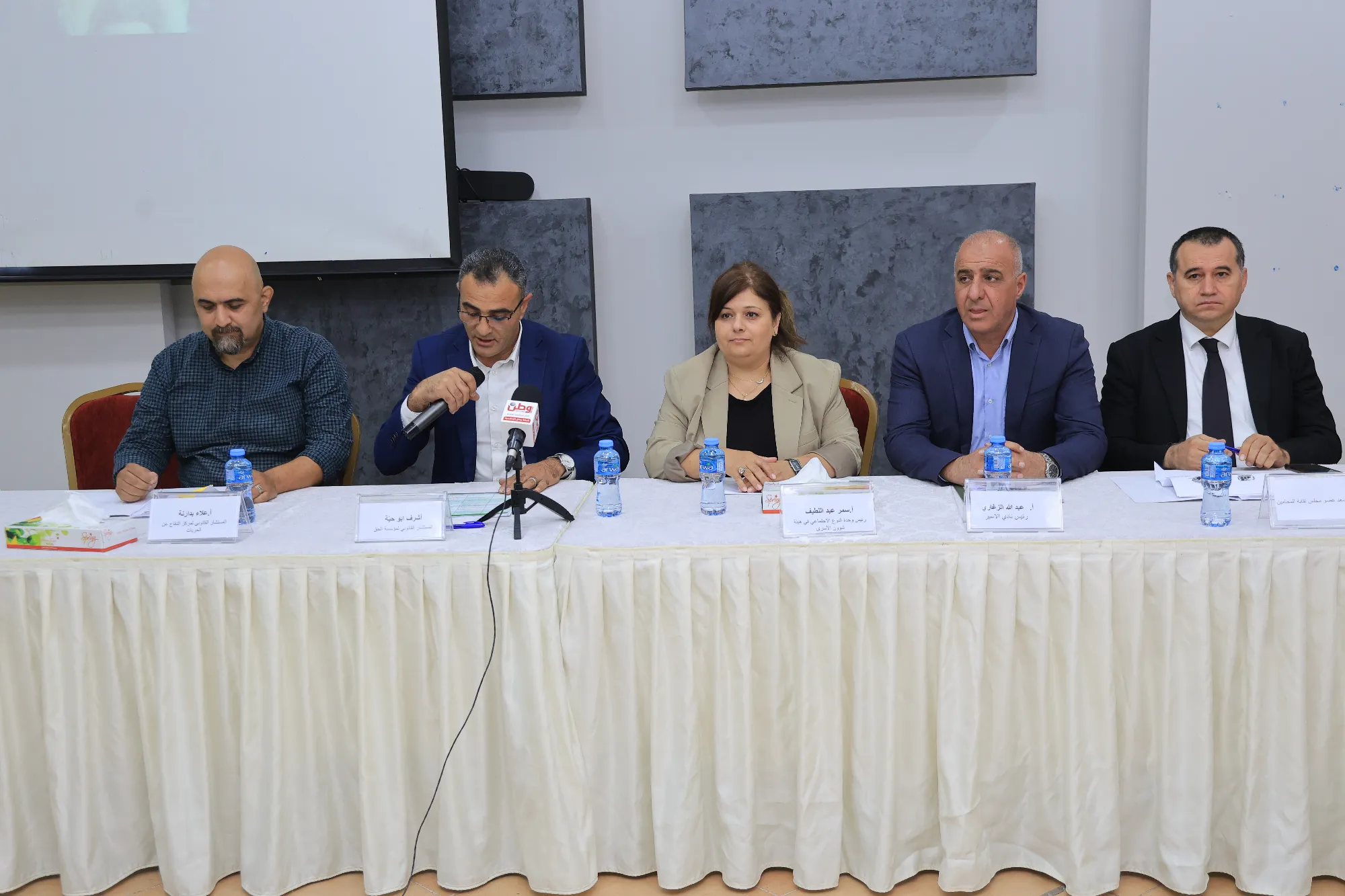
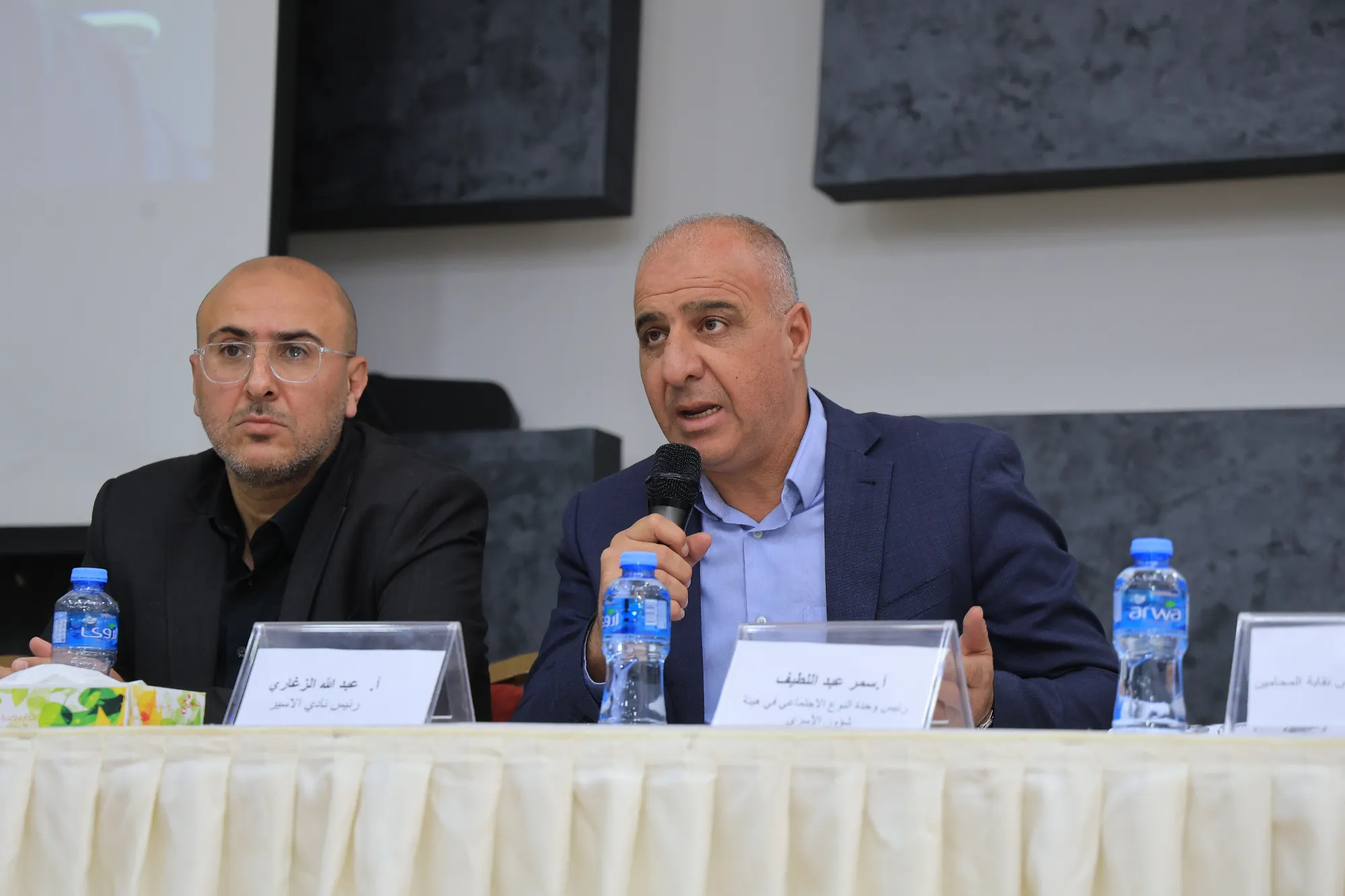
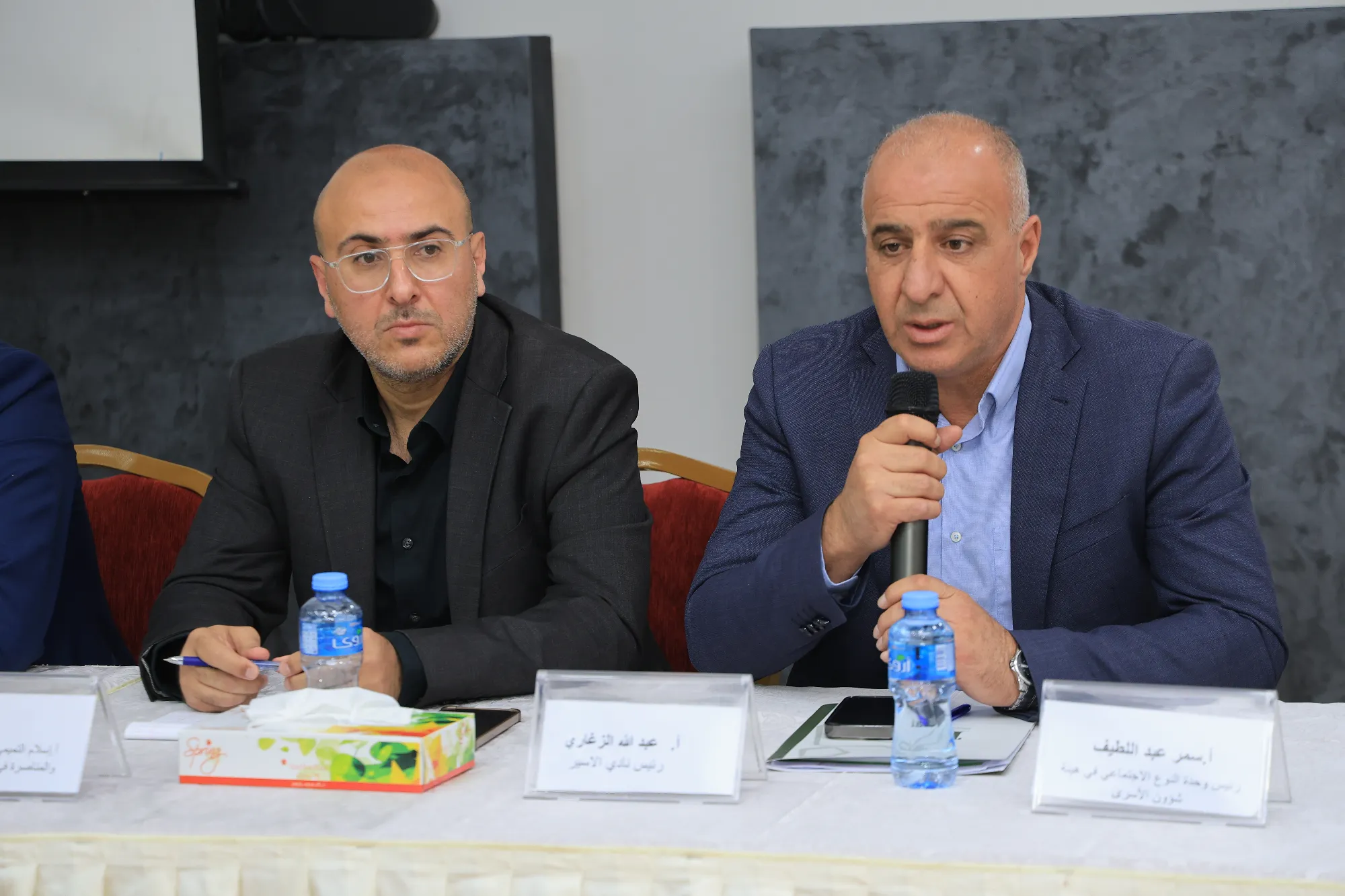
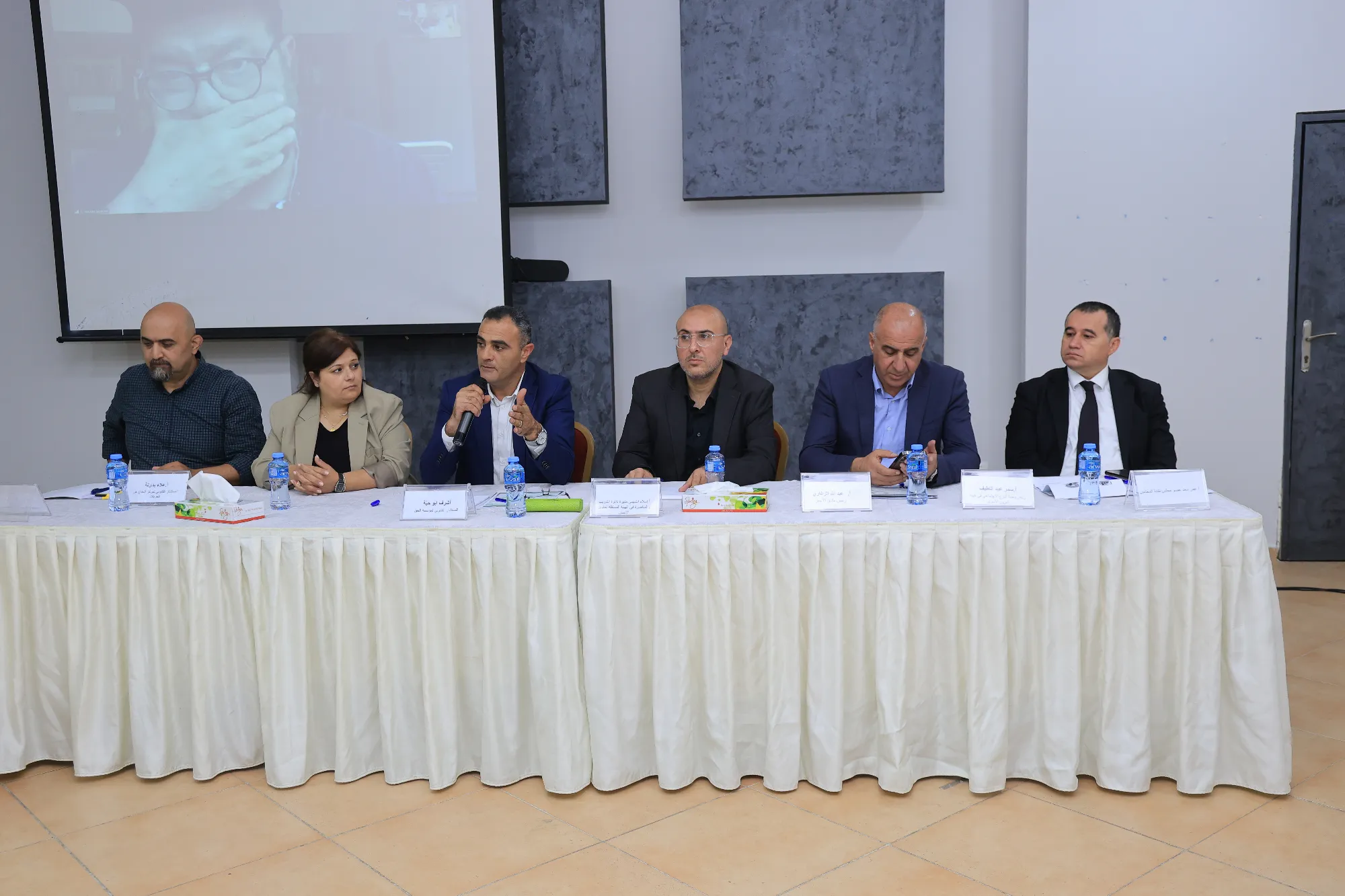
The first session, entitled “Why the Palestinian Prisoners’ Execution Law Is a Human Rights Issue, Not Merely a Criminal Penalty,” was moderated by lawyer Ashraf Abu Haya from Al-Haq. Speakers included lawyer Alaa Bdarneh, representing the Palestinian Coalition Against Torture; Ms. Samar Abdel Latif, representing the Commission of Detainees and Ex-Detainees Affairs; lawyer Omar Saad, Head of the Prisoners’ Committee at the Bar Association; and Mr. Abdullah Al-Zaghari, Director of the Palestinian Prisoners’ Club.
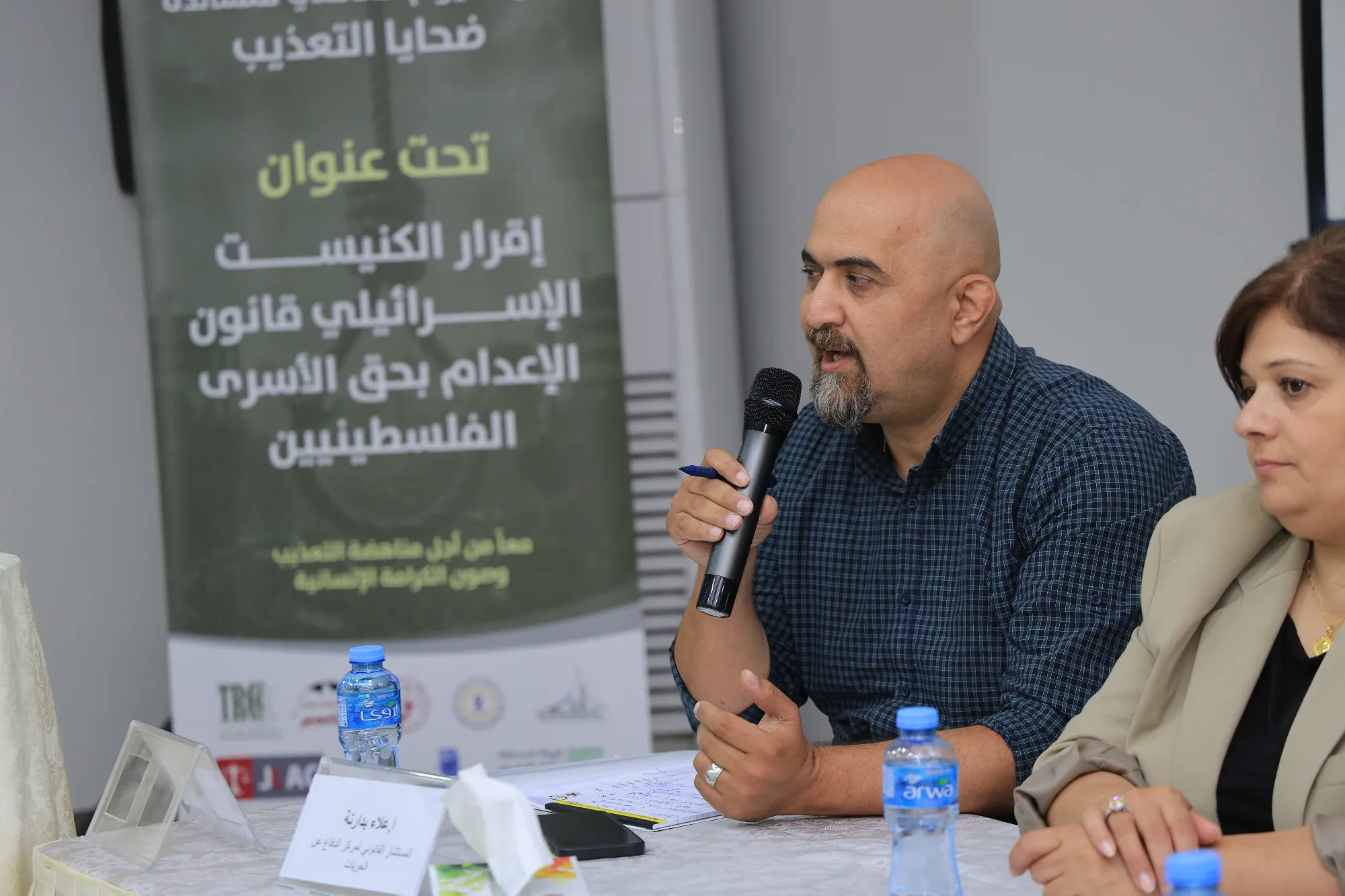
Bdarneh noted that Palestinian prisoners are subjected to continuous physical and psychological torture and abuse around the clock. He argued that the enactment of the prisoners’ execution law represents the culmination of punitive measures aimed at revenge, in violation of international law and the Palestinian people’s right to self-determination. He described the law as an instrument of collective retaliation against Palestinians and called on local and international institutions to expose Israeli practices and work to halt systematic acts of revenge against prisoners.
Ms. Abdel Latif presented an intervention on her institution’s role in confronting torture and execution policies. She reported that, as of early June 2026, more than 9,500 Palestinian prisoners were being held in Israeli prisons, including 90 female prisoners, more than 360 children, and over 3,324 administrative detainees. These figures do not include detainees from the Gaza Strip arrested after 7 October 2023. She added that 1,316 detainees from Gaza have been classified by Israel as “unlawful combatants.” Moreover, 91 prisoners have died in Israeli custody due to medical neglect, including 52 from Gaza. Additionally, 65 imprisoned students were denied the opportunity to sit for their secondary school examinations, constituting a serious violation of their right to education.
Abdel Latif also outlined the role of the Commission of Detainees and Ex-Detainees Affairs in opposing the prisoners’ execution bill and torture policies. Within its legal and national mandate to protect prisoners and defend their rights, the Commission has played a central role in confronting Israeli legislative initiatives aimed at imposing the death penalty on Palestinian prisoners. It regards such legislation as incompatible with the principles of international humanitarian law and international human rights law. The Commission has also documented the legal and humanitarian consequences of these legislative efforts, prepared legal memoranda, and conducted international advocacy campaigns.
Lawyer Omar Saad stated that Israel’s efforts to enact legislation permitting the execution of Palestinian prisoners constitute a dangerous development that strikes at the core of international humanitarian law and human rights principles. He described it as a serious political and legal measure targeting the Palestinian people and prisoners, who are entitled to protections guaranteed under international conventions and treaties. He reaffirmed the Palestinian Bar Association’s absolute rejection of any legislation or measure aimed at legalizing the execution of Palestinian prisoners, describing it as a flagrant violation of international humanitarian law, the Geneva Conventions, the International Covenant on Civil and Political Rights, and all principles safeguarding the right to life and fair trial.
Mr. Abdullah Al-Zaghari addressed the reality of torture in Israeli prisons, the dangers of execution legislation, and the escalating violations against prisoners. He stated that prisoners are part of a broader system of destruction and extermination targeting Palestinians’ lives, existence, and future. He warned that attempts to grant legal legitimacy to these practices through the enactment of the Palestinian Prisoners’ Execution Law represent a qualitative transformation in the structure of the Israeli colonial system. According to Al-Zaghari, the law institutionalizes the killing of Palestinians as an official state policy rather than an exceptional practice, regulated and implemented through various state mechanisms that sustain the colonial system.
During the second session, Dr. Hassan Jabareen, Director of Adalah – The Legal Center for Arab Minority Rights in Israel, discussed the dangers of the death penalty law within the Israeli judicial system and its implications for Palestinian prisoners. He explained that Adalah, together with Palestinian and Israeli human rights organizations, submitted a petition to the Israeli Supreme Court challenging the law. He noted that the legislation passed its latest reading on 30 March, receiving 62 votes in favor, 48 against, and one abstention. According to Jabareen, the rise of right-wing politics in Israel reflects growing efforts to transform criminal punishment into a mechanism of revenge. He also pointed to concerns within Israel that implementation of the law could worsen the security situation due to the profound psychological, emotional, and public implications of executions. He stressed that this internal Israeli opposition should be strategically engaged. Internationally, he emphasized that this may be the first modern death penalty law explicitly directed against a particular national and ethnic group. He suggested that legal action could be pursued before the International Criminal Court against those responsible for advancing and supporting the legislation, given its potential classification as a war crime and a crime against humanity.
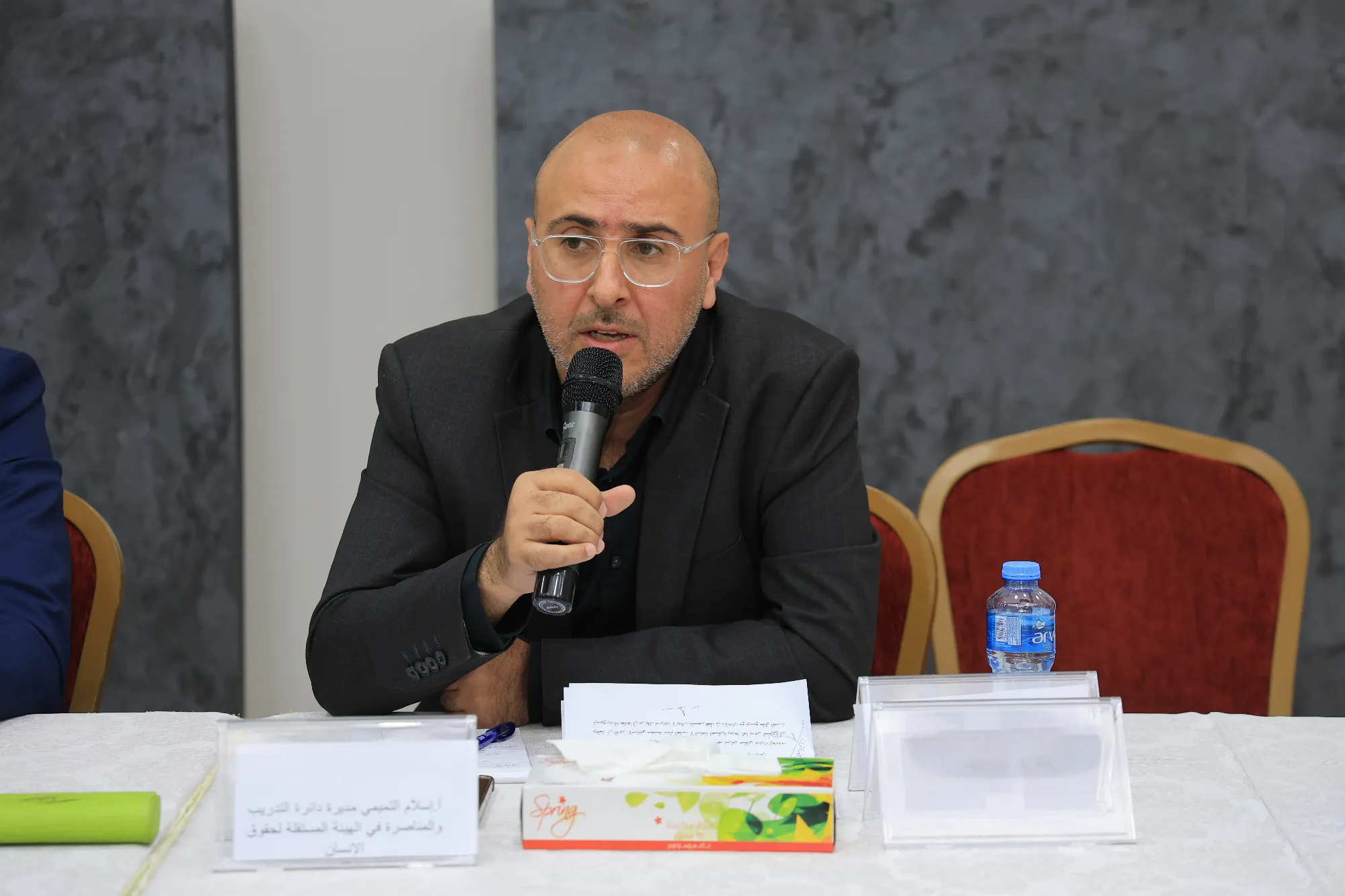
Mr. Islam Al-Tamimi, Director of the Awareness and Training Department at the Independent Commission for Human Rights, delivered a presentation entitled “The Execution of Prisoners Through the Lens of Human Rights: A Discriminatory Law Undermining the Right to Life, the Prohibition of Torture, and Fair Trial Guarantees.” He argued that the Palestinian Prisoners’ Execution Law should be viewed not merely as a death penalty issue but as a broader human rights concern. He noted that the seminar was held amid escalating crimes against Palestinian prisoners and in conjunction with the International Day in Support of Victims of Torture.
Al-Tamimi highlighted the emergence of new forms of torture, the establishment of military detention centers and prisons beyond independent oversight and International Committee of the Red Cross visits, including facilities such as Sde Teiman and Anatot. He linked these developments to the broader context of genocide and the deaths of prisoners in military detention centers and prisons due to medical neglect, violence, systematic torture, and sexual abuse. He argued that the proposed execution law represents the involvement of both the judiciary and legislature in legitimizing practices already carried out by military and prison authorities. He described the law as inherently discriminatory, applying exclusively to Palestinian prisoners.
He further noted that the law extends beyond individuals accused of killing and also targets those who reject the legitimacy of the occupying state, thereby encompassing a broad range of categories. According to Al-Tamimi, the legislation constitutes a form of legal incitement designed to normalize the killing of Palestinians, undermining the very concepts of justice and human rights. He concluded by stressing that, in practice, executions are already being carried out in prisons and detention centers through systematic policies that deprive prisoners of their fundamental rights.